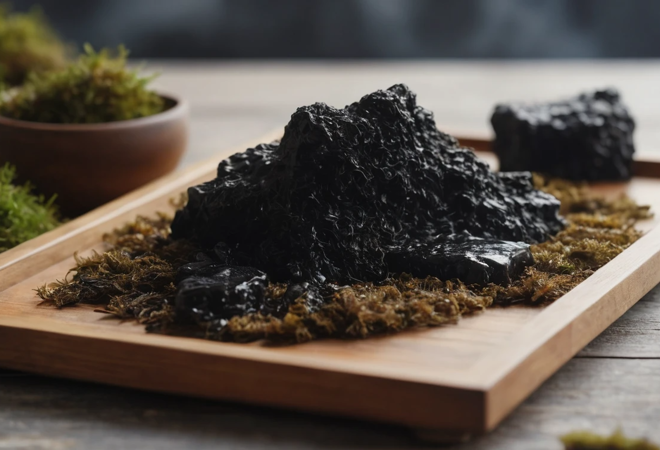
Psyllium Husk Whole Foods: Smart Gut Health Boost
Psyllium husk whole foods guide to benefits, uses, and buying tips. Learn how to improve digestion and gut health naturally.
Psyllium husk whole foods refers to natural psyllium fiber products available at Whole Foods stores. It’s a soluble fiber that supports digestion, relieves constipation, promotes heart health, and helps manage weight. You can find it in powder, capsule, and whole husk form for easy daily use.
Psyllium Husk Whole Foods: Your Complete Guide To Better Gut Health
Ever feel bloated, sluggish, or just off after meals? You’re not alone. Many people struggle with digestion, and the fix might be simpler than you think.
Psyllium husk whole foods products are natural fiber supplements sold at stores like Whole Foods Market. They help improve digestion, support heart health, and keep your gut moving smoothly. Let’s break it all down in plain English so you know exactly what to buy and how to use it.
What Is Psyllium Husk Whole Foods? 🌾
Psyllium husk is a natural fiber made from the seeds of the Plantago ovata plant. The husk is the outer coating of the seed. It absorbs water and forms a gel-like texture. That gel helps move waste through your digestive system.
When people search for psyllium husk whole foods, they usually want to know if they can buy it at Whole Foods and what type to choose. The answer is yes. Whole Foods carries several options including whole husk, powder, and capsules. You can find both organic and non-GMO varieties.
It’s popular because it’s simple. No weird chemicals. No artificial fillers. Just fiber that works with your body naturally.
Why People Buy Psyllium At Whole Foods 🛒
Whole Foods is known for quality standards. Many shoppers trust it for clean-label products. That’s a big reason people look specifically for psyllium there.
You’ll often find:
- Organic psyllium husk
- Non-GMO verified options
- Sugar-free powders
- Vegan capsules
Another benefit? You can compare brands in one place. The supplement aisle usually has different textures and price points. That makes it easier to choose what fits your budget and lifestyle.
Types Of Psyllium Husk Available 🌿
Not all psyllium looks the same. At Whole Foods, you’ll typically see three forms. Each one works similarly but feels different to use.
Here’s a simple breakdown:
| Form | Best For | Texture | Ease Of Use |
| Whole Husk | Traditional users | Flaky, coarse | Needs mixing |
| Powder | Smooth drinks | Fine, soft | Easy to stir |
| Capsules | On-the-go | Solid pills | Most convenient |
Whole husk feels more natural and less processed. Powder mixes more smoothly in water or smoothies. Capsules are best if you dislike texture.
The key? All forms provide soluble fiber. Choose the one you’ll actually stick with daily.
Top Health Benefits Of Psyllium Fiber 💚
Why is psyllium so popular? Because it does a lot with one simple ingredient.
Major benefits include:
- Relieves constipation
- Supports regular bowel movements
- Helps lower cholesterol
- Aids weight management
- Supports blood sugar balance
It works by absorbing water and expanding in your gut. That adds bulk to stool and makes it easier to pass. It also slows digestion slightly, which helps you feel full longer.
Many people call it a “gentle reset” for their digestive system.
How Psyllium Supports Digestive Health 🧠
Your gut needs fiber like your body needs water. Without enough fiber, digestion slows down. That leads to bloating and discomfort.
Psyllium is a soluble fiber supplement. That means it dissolves in water and forms a gel. This gel feeds healthy gut bacteria and improves stool consistency. It can soften hard stool and firm up loose stool. That’s why it helps both constipation and mild diarrhea.
Consistency is key. When taken daily, many people notice smoother digestion within a week.
Can Psyllium Help With Weight Loss? ⚖️
Yes, it can support weight management. But it’s not magic.
When psyllium absorbs water, it expands in your stomach. That creates a feeling of fullness. You may naturally eat less during meals. Over time, this can support healthy calorie control.
Here’s how it helps:
- Reduces hunger cravings
- Slows digestion
- Stabilizes blood sugar
Think of it as a helper tool. It works best alongside balanced meals and regular movement.
Psyllium And Heart Health ❤️
Fiber isn’t just about digestion. It also supports heart health.
Soluble fiber can bind to cholesterol in the gut. This helps remove it from the body. Over time, that may help lower LDL (bad cholesterol) levels.
Here’s a quick overview:
| Benefit | How It Helps |
| Lowers LDL | Binds cholesterol |
| Supports Blood Pressure | Improves artery function |
| Reduces Inflammation | Supports gut balance |
Adding psyllium to a heart-smart diet can be a simple daily habit with long-term benefits.
How To Use Psyllium Husk Properly 🥤
Using psyllium is simple. But timing and water matter a lot.
Always mix it with at least 8 ounces of water. Drink it immediately before it thickens. Follow with another glass of water to prevent choking.
Common ways to take it:
- Stir into water
- Blend into smoothies
- Add to oatmeal
- Mix into yogurt
Start small. One teaspoon per day is enough for beginners. Increase slowly to avoid gas or bloating.
Best Time To Take Psyllium 🕒
There’s no single perfect time. It depends on your goal.
For constipation, morning works well. For appetite control, take it before meals. For general fiber support, any consistent time is fine.
Avoid taking it at the same time as medications. Psyllium can slow absorption. Wait at least one hour before or two hours after medication.
Consistency beats perfection. Pick a time you can maintain daily.
Organic Vs Non-Organic Psyllium 🌱
Many shoppers at Whole Foods prefer organic products. But what’s the difference?
Organic psyllium is grown without synthetic pesticides. Non-organic versions may still be clean but don’t carry certification. Both provide fiber benefits.
Here’s a comparison:
| Feature | Organic | Non-Organic |
| Pesticide-Free | Yes | Not guaranteed |
| Certification | USDA Organic | Standard labeling |
| Price | Higher | Lower |
If budget allows, organic is a nice upgrade. If not, plain psyllium still works effectively.
Psyllium Husk Powder Vs Whole Husk 🥄
Texture can make or break your experience.
Whole husk feels more natural and thicker. Powder dissolves better and feels smoother. Some people say powder works faster. Others prefer the traditional form.
If you’re new, powder is easier. If you like minimal processing, whole husk is great. Both provide similar fiber content.
The “best” choice is the one you’ll use daily.
Possible Side Effects And Safety ⚠️
Psyllium is generally safe. But start slowly.
Taking too much too fast may cause:
- Gas
- Bloating
- Cramping
Always drink enough water. Without water, psyllium can swell in the throat. That’s rare but serious.
If you have swallowing issues or bowel blockage conditions, talk to a doctor first. Most healthy adults tolerate it well.
Who Should Avoid Psyllium? 🚫
Not everyone needs extra fiber supplements.
Avoid psyllium if you:
- Have intestinal narrowing
- Experience severe swallowing problems
- Have certain digestive disorders
Pregnant or nursing? It’s usually safe, but confirm with a healthcare provider. Children should use smaller doses.
When in doubt, start small and monitor how you feel.
How Much Psyllium Should You Take? 📏
Most adults need 25–38 grams of fiber daily. Psyllium can help fill the gap.
Typical dosing:
- 1 teaspoon once daily (beginner)
- Up to 1 tablespoon daily (regular use)
- Split doses if needed
Check the label on your product. Brands vary slightly. Always increase gradually over one to two weeks.
Slow and steady keeps your gut happy.
Psyllium For Blood Sugar Control 🍽️
Fiber slows how fast sugar enters the bloodstream. That’s helpful for blood sugar balance.
Psyllium forms a gel in the gut. This slows carb absorption. That may reduce sugar spikes after meals. People with prediabetes often add fiber for this reason.
It’s not a replacement for medication. But it can support a healthy eating plan.
How To Store Psyllium Husk 🏡
Storage matters more than you think.
Keep psyllium in a cool, dry place. Moisture can make it clump. Always seal the container tightly.
Avoid storing near heat sources. A pantry shelf works perfectly. Most products last one to two years unopened.
Check the expiration date before use.
Tips For Buying Psyllium At Whole Foods 🛍️
Walking into the supplement aisle can feel overwhelming. So here’s how to shop smarter:
Look for:
- 100% psyllium husk
- No added sugar
- No artificial flavors
- Third-party testing
Compare price per ounce. Sometimes larger containers save money. Don’t just grab the first one you see.
Read labels carefully. Simpler is better.
Conclusion: Is Psyllium Husk Whole Foods Worth It?
If you struggle with digestion, irregularity, or low fiber intake, psyllium can help. It’s simple, natural, and affordable. Whole Foods offers high-quality options that fit many lifestyles.
Start small. Drink plenty of water. Stay consistent.
Over time, your gut will thank you. And when your gut feels good, everything feels better. 😊
FAQs
Is Psyllium Husk Whole Foods Good For Daily Use?
Yes, it’s safe for most healthy adults. Start with a small dose daily. Drink plenty of water to avoid discomfort.
How Do I Mix Psyllium Husk Powder Correctly?
Mix one teaspoon into eight ounces of water. Stir quickly and drink immediately. Follow with another glass of water.
Can I Take Psyllium Husk Before Bed?
Yes, but morning is often better for regularity. If taking at night, drink enough water. Avoid taking it with medications.
Does Psyllium Husk Help With Bloating Fast?
It may reduce bloating caused by constipation. Start slow to prevent gas. Results often appear within a few days.
Is Organic Psyllium Better Than Regular?
Organic options avoid synthetic pesticides. Both types provide fiber benefits. Choose based on your budget and preference.