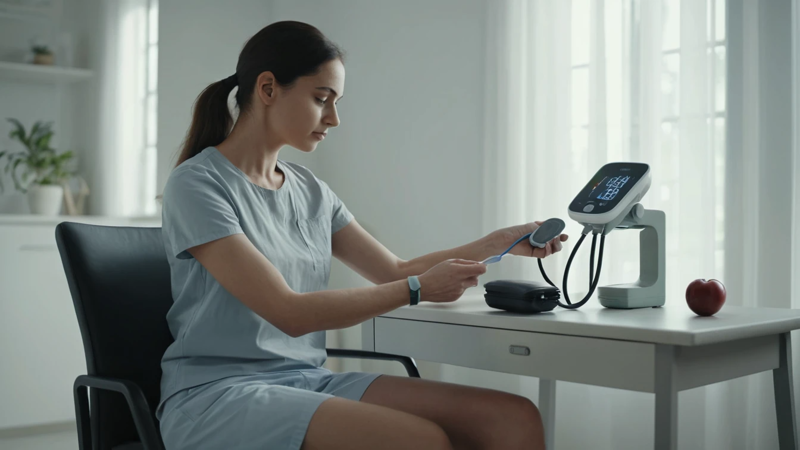
Blood Pressure Monitors For Home Use Accurate & Reliable Picks
Blood pressure monitors for home use accurate and reliable. Discover top features, tips, and best options for precise readings at home.
Accurate blood pressure monitors for home use provide reliable readings when used correctly. Look for upper-arm devices with clinical validation, proper cuff size, and memory features. Consistent technique and calibration help ensure precise results and better health tracking at home.
Blood Pressure Monitors For Home Use Accurate ❤️
Are you sure your home blood pressure readings are actually accurate—or just convenient?
The truth is simple: yes, home blood pressure monitors can be highly accurate—but only if you choose the right device and use it correctly. A good monitor helps you track trends, detect issues early, and even avoid unnecessary doctor visits.
In this guide, you’ll learn how to pick an accurate monitor, use it properly, and get results you can trust every day.
Why Accuracy Matters In Blood Pressure Monitoring 📊
Accurate readings are essential for managing your health. Even small errors can lead to wrong decisions about medication or lifestyle changes. That’s why choosing a reliable monitor matters more than you think.
When your readings are consistent, your doctor can spot patterns easily. This helps prevent serious conditions like heart disease or stroke. Inaccurate devices, however, may give false reassurance or unnecessary worry.
👉 “A precise reading today can prevent a major problem tomorrow.”
Types Of Blood Pressure Monitors For Home Use 🏠
There are several types of monitors available. Each has its own level of accuracy and ease of use. Understanding these options helps you make a smarter choice.
The most common types include upper-arm, wrist, and finger monitors. Among these, upper-arm monitors are considered the most accurate. Wrist and finger devices are more portable but often less reliable.
Here’s a quick breakdown:
| Type | Accuracy Level | Ease Of Use | Best For |
| Upper Arm | High | Moderate | Most users |
| Wrist | Medium | Easy | Travel |
| Finger | Low | Very Easy | Not recommended |
How To Choose An Accurate BP Monitor 🔍
Picking the right monitor doesn’t have to be confusing. Focus on a few key features that directly affect accuracy.
Look for devices that are clinically validated. This means they have been tested and approved for accuracy. Also, ensure the cuff size fits your arm properly, as a poor fit can skew results.
Key features to consider:
- Clinically validated device
- Adjustable cuff size
- Digital display with memory
- Easy-to-use interface
Upper Arm Vs Wrist Monitors: Which Is Better? ⚖️
Upper-arm monitors are the gold standard. They measure blood pressure directly from the brachial artery, giving more precise results.
Wrist monitors can be convenient, especially for travel. However, they require perfect positioning to be accurate. Even slight movement can change readings.
👉 If accuracy is your priority, always go with an upper-arm monitor.
Features That Improve Accuracy 🧠
Modern monitors come with advanced features. These features are designed to reduce user error and improve consistency.
For example, some devices detect irregular heartbeats. Others provide averaging of multiple readings for better results. These tools can make a big difference in daily monitoring.
Helpful features include:
- Automatic inflation
- Multiple user profiles
- Averaging function
- Error detection alerts
Common Mistakes That Affect Readings ❌
Even the best monitor can give wrong readings if used incorrectly. Small mistakes can lead to big differences.
For example, sitting incorrectly or talking during measurement can raise your numbers. Wearing tight clothing or placing the cuff wrong also affects accuracy.
Avoid these common errors:
- Crossing your legs
- Talking during measurement
- Using the wrong cuff size
- Measuring right after exercise
Best Time To Measure Blood Pressure ⏰
Timing matters more than most people realize. Your blood pressure changes throughout the day.
Morning readings are usually more consistent. Taking measurements at the same time daily helps track trends accurately.
📌 Tip: Measure twice daily—morning and evening—for best results.
How To Use A BP Monitor Correctly 🛠️
Using your device properly ensures reliable readings. It’s not just about pressing a button.
Sit quietly for five minutes before measuring. Keep your arm at heart level and your back supported. Follow the same routine each time.
Steps to follow:
- Sit comfortably with feet flat
- Place cuff on bare arm
- Keep arm supported at heart level
- Stay still and silent
Digital Vs Manual Monitors ⚙️
Digital monitors are the most popular choice for home use. They are easy to operate and provide quick results.
Manual monitors, on the other hand, require training. They are typically used by healthcare professionals. For home users, digital devices are more practical and reliable.
| Feature | Digital Monitor | Manual Monitor |
| Ease Of Use | Very Easy | Difficult |
| Accuracy | High | Very High |
| Skill Required | Low | High |
Importance Of Cuff Size And Fit 📏
Cuff size plays a critical role in accuracy. A cuff that is too small or too large can give incorrect readings.
Always measure your arm circumference before buying a monitor. Most devices offer standard and large cuff options.
👉 A properly fitted cuff ensures consistent and trustworthy results.
Calibration And Maintenance Tips 🔧
Even accurate monitors need maintenance. Over time, devices may lose precision.
It’s a good idea to check your monitor against a professional device once a year. Keep the device clean and store it properly to extend its life.
Simple maintenance tips:
- Store in a dry place
- Avoid dropping the device
- Replace batteries regularly
- Check calibration yearly
Top Benefits Of Home Blood Pressure Monitoring 💡
Monitoring your blood pressure at home has many advantages. It gives you control over your health.
You can track trends over time and share data with your doctor. This helps in early detection of problems and better treatment decisions.
Key benefits include:
- Early detection of hypertension
- Reduced doctor visits
- Better medication management
- Increased health awareness
Who Should Use A Home BP Monitor? 👨👩👧
Home monitoring is useful for many people. It’s not just for those with diagnosed hypertension.
If you have a family history of heart disease, regular monitoring is helpful. Pregnant women and older adults can also benefit from tracking their blood pressure at home.
👉 Prevention is always better than cure.
Comparing Popular BP Monitor Features 📋
Not all monitors are created equal. Some offer better features for accuracy and convenience.
Here’s a comparison of common features:
| Feature | Basic Models | Advanced Models |
| Memory Storage | Limited | High Capacity |
| Bluetooth Sync | No | Yes |
| Multi-User Support | No | Yes |
| Averaging Function | No | Yes |
Tips To Get Consistent Readings Every Time 🎯
Consistency is key when tracking blood pressure. Follow a routine to get reliable results.
Take readings at the same time daily. Avoid caffeine or exercise before measuring. Stay relaxed and calm during the process.
Quick tips:
- Measure at the same time daily
- Avoid caffeine 30 minutes before
- Sit quietly before measuring
- Record your results
Signs Your Monitor May Be Inaccurate ⚠️
Sometimes, your device may not be giving correct readings. Knowing the signs helps you act quickly.
If your readings vary too much without reason, it could be a problem. Also, if your results differ greatly from your doctor’s readings, it’s time to check your device.
Watch for:
- Unusual fluctuations
- Error messages
- Inconsistent readings
- Physical damage
Conclusion 🎉
Accurate blood pressure monitors for home use are powerful tools for managing your health. The key lies in choosing the right device and using it properly. Upper-arm monitors, correct cuff size, and consistent technique all play a big role.
By following simple guidelines, you can trust your readings and make informed decisions. Remember, accuracy isn’t just about the device—it’s about how you use it.
FAQs ❓
How To Choose Accurate BP Monitor At Home?
Look for clinically validated upper-arm monitors. Ensure proper cuff size and easy-to-use features. Consistency matters more than brand.
Are Wrist BP Monitors Accurate Enough?
They can be accurate but require perfect positioning. Small errors can affect results. Upper-arm monitors are more reliable.
How Often Should I Check BP At Home?
Check twice daily for best tracking. Morning and evening readings work well. Follow your doctor’s advice.
Why Do BP Readings Differ At Home?
Factors like posture, stress, and timing affect readings. Even small changes can cause differences. Consistency helps reduce variation.
Can Home BP Monitor Replace Doctor Visits?
No, it supports but doesn’t replace medical care. Regular checkups are still important. Use home readings to share with your doctor.